China’s Nvidia Ban
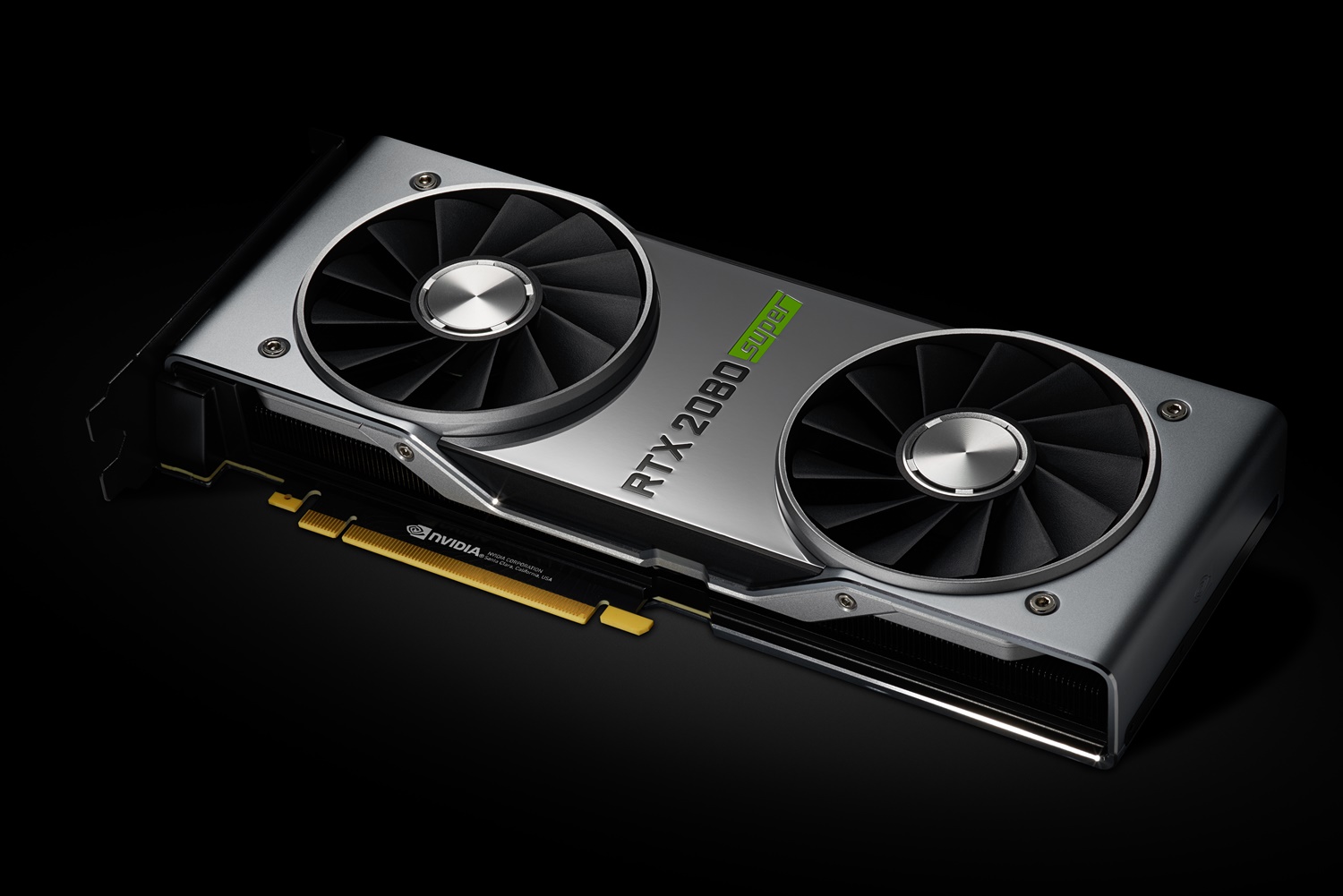
China has banned its major tech companies from purchasing Nvidia's AI chips, reflecting its growing confidence in domestic semiconductor production and serving as a potential negotiation tactic in trade discussions with the U.S.
We’ve been saying it for months, but the cracks are officially showing: the AI bubble grew too fast, too soon, and reality is struggling to keep up with the sky-high expectations.
If you want a masterclass in how wild the AI hype train has become, look no further than Nvidia’s latest earnings report. The tech giant just posted a record-breaking quarterly revenue of $91 billion. By any normal standard, that’s a massive victory. But because analyst expectations were pinned a staggering $5 billion higher, Nvidia’s stock still slid over 3%. When shattering your own revenue records causes your stock to drop, it’s a clear sign that investors are waking up to a harsh reality: explosive room for growth is shrinking.
And without China, how exactly does Nvidia plan to reach its ambitious goals? The truth is, it can't. Not even close.
1. China Slams the Door on Nvidia
Despite CEO Jensen Huang’s high-profile PR tour through Beijing, China’s strategic stance has become crystal clear. They are transitioning toward full tech self-sufficiency.
Right in the middle of the summit, China officially added Nvidia’s RTX gaming chip variant to its banned customs list. This wasn't even a top-tier chip; it was a watered-down version designed specifically to comply with US export restrictions while still giving Chinese firms legal access to Nvidia architecture.
Beijing looked at the compromise and effectively said, "No thanks."
This ban is a massive blow because that chip wasn’t just for gamers—local AI developers were using it as one of their last remaining legal lifelines. Now, that door is firmly shut, dropping Nvidia’s market share in China down toward zero.
From Beijing's perspective, the logic is flawless:
Avoiding Second-Class Tech: Buying stripped-down US chips guarantees you stay one generation behind in the AI race.
Stopping Capital Outflow: Every dollar spent on an American chip is a dollar funding China's direct competitor.
Instead, China is aggressively backing domestic champions like Huawei and Capricorn.
The Massive R&D Funding Gap
While Washington allocated roughly $75 billion for domestic semiconductor manufacturing, China’s state semiconductor investment fund sits at nearly $142 billion. When you factor in China’s cheaper power, affordable labor, and world-class automation, that money stretches incredibly far—yielding an effective output closer to $200 billion or $300 billion.
Look at the sheer intensity of Huawei's push:
In 2025 alone, Huawei poured $28 billion into R&D—a massive 22% of their total revenue.
Over 54% of their entire workforce is dedicated strictly to research and development.
By comparison, Nvidia’s R&D intensity hovers around 10% to 15%.
China has laid out a strict three-year roadmap to close the gap with US hardware. By 2027 or 2028, Huawei plans to link 15,000 of its Ascend chips into massive "super-pot clusters" designed to leapfrog Nvidia's AI accelerators in total compute power at a fraction of the cost.
2. Big Tech’s Massive $1 Trillion Gamble
While Nvidia navigates its multi-billion-dollar China crisis, a parallel panic is unfolding across the rest of Silicon Valley. The hyperscaler arms race has reached a point of absolute frenzy.
In 2026, AI infrastructure spending across just five companies—Meta, Google, Microsoft, Amazon, and Apple—is projected to hit $800 billion. By 2027, that collective annual spend is slated to cross $1 trillion.
The problem? This historic spending spree is happening at the exact wrong time. Thanks to geopolitical instability surrounding the war involving Iran and persistent inflation, interest rates remain stubbornly high, with the 10-year US Treasury yield pushing past 4.6%.
Because borrowing money is drastically more expensive than it was a few years ago, tech giants are forced to ruthlessly cut costs elsewhere to fund their precious GPU clusters.
The Cost? High-Skilled White-Collar Jobs
We are witnessing a brutal wave of layoffs across the entire industry:
Meta recently cut 7,000 to 8,000 jobs across core engineering and product teams.
Oracle has laid off tens of thousands of workers.
Major financial institutions like Citadel are openly leveraging generative AI to automate high-tier white-collar roles that used to require years of specialized training.
An anonymous engineer recently posted a question on the professional network Blind that perfectly encapsulates the current anxiety of the workforce: "What's the point of getting a good performance review if you can still be laid off anyway?"
In today’s economic climate, performance isn't a shield. If cutting your salary helps fund another data center, you are simply a line item.
3. The Global Energy Crisis and the Return to Russian Oil
Zooming out even further, the fallout from the conflict with Iran is reshaping global geopolitics and shattering old alliances.
Iran has officially launched its Persian Gulf Strait Authority, establishing formal jurisdiction over vital shipping lanes. With the IRGC demanding tolls in Chinese yuan or cryptocurrency for safe passage, the architecture of a new global energy order is being built in real-time.
This chokehold on oil has sent energy prices spiraling, forcing Western governments into incredibly awkward compromises.
The UK's Quiet U-Turn

In a stunning reversal, the United Kingdom has begun walking back its import ban on diesel and jet fuel derived from Russian crude. Facing energy prices that have spiked back to the peak of the Ukraine war, Prime Minister Keir Starmer chose a political loophole over watching the British economy implode under rampant inflation and concurrent government budget cuts.
US Sanction Waivers
The UK isn't alone. US Treasury Secretary Scott Bessent quietly issued another 30-day waiver allowing countries to purchase Russian crude without triggering US sanctions. The architect of the global sanctions regime is now actively telling the world to buy Russian oil because the alternative—a catastrophic global energy crisis—would destroy the US dollar system far faster.
Everything is Connected
The global geopolitical chessboard is deeply interconnected, and right now, the board is shattering:
[Oil Crisis / Strait Chokehold] ➔ [Spike in Global Inflation] ➔ [Interest Rates Stay High]
                                                                        │
[Tech Layoffs / Job Automation] 🦘 [Squeezed Corporate Capital] 🦘 [Higher Borrowing Costs]
While the West is caught in this exhausting loop of high interest rates, forced corporate layoffs, and desperate energy maneuvers, China is quietly using this precious window to secure absolute tech independence.
The very sanctions Washington designed to protect Western dominance have instead handed China the ultimate motivation to build a self-sufficient ecosystem.
What do you think? Will China's aggressive domestic push permanently sideline American tech giants, or will the AI bubble pop before the transition is complete? Let’s talk about it in the comments below.


Comments
Post a Comment